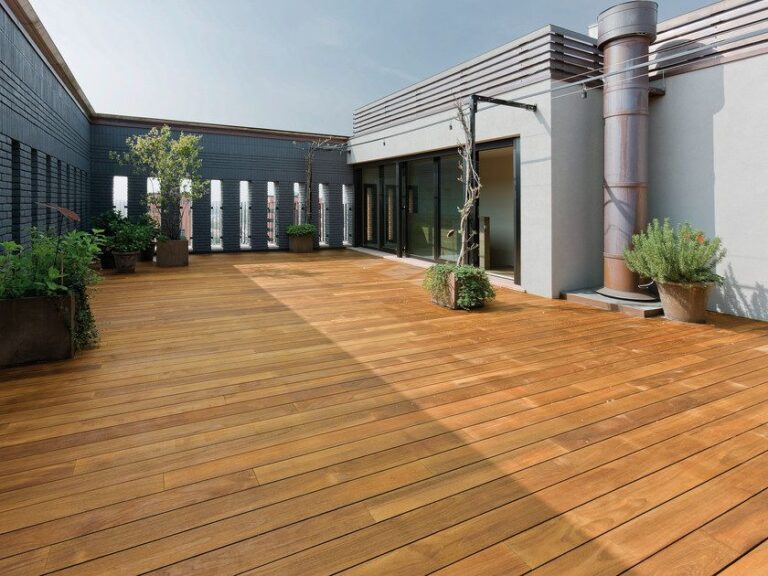

Wood and Laminate Flooring: Complete Comparison Guide for UAE
Choosing between wood and laminate flooring impacts home beauty, maintenance requirements, and budget significantly. Both options deliver attractive results but suit different priorities and circumstances. Understanding these differences helps you select flooring matching your specific needs perfectly.
Understanding differences to make the right choice for your needs requires examining multiple factors objectively. Appearance, durability, water resistance, maintenance, and cost all influence which option works best. Your lifestyle, climate conditions, and budget determine the ideal selection.
This comprehensive comparison covers everything about wood vs laminate flooring. You’ll learn about material construction, appearance quality, performance characteristics, maintenance requirements, cost analysis, and UAE climate suitability. Whether you’re renovating an apartment or building a villa, you’ll find practical guidance here.
Understanding Wood and Laminate Flooring Basics
What real wood flooring is and how it’s made involves harvesting natural hardwood trees and processing lumber into planks. Solid wood comes directly from single timber pieces. Engineered wood layers thin hardwood over plywood cores, creating more stable constructions.

Laminate flooring is, and its construction combines photographic images of wood with protective layers. High-resolution wood photography gets printed on fiberboard cores. Transparent wear layers protect these images from scratches and daily wear.
Fundamental differences in materials and manufacturing create distinct characteristics affecting performance and appearance. Wood remains a natural organic material with inherent variations. Laminate represents manufactured products with controlled, consistent specifications. These material differences drive all other distinctions between wood and laminate flooring.
Wood vs Laminate Flooring: Material and Construction
Material composition determines how each flooring type performs and ages. Understanding construction helps you appreciate the strengths and limitations of both options.
Real Wood Flooring Composition
Solid hardwood characteristics include 100% natural wood throughout the entire plank thickness. Each board comes from single timber pieces showcasing authentic grain and color. The material breathes naturally, responding to humidity and temperature changes.
Engineered wood construction layers 2-6mm hardwood veneer over plywood or HDF cores. This hybrid approach combines real wood beauty with enhanced stability. The construction resists moisture better than solid wood while maintaining an authentic appearance.
Laminate Flooring Layers Explained
Photographic wear layer captures high-resolution wood images printed on decorative paper. This layer creates a visual wood appearance. Transparent aluminum oxide coating protects the image from wear and damage.
HDF core construction uses compressed wood fibers forming dense, stable foundations. This high-density fiberboard provides structural integrity and dimensional stability. Backing and protective layers add moisture barriers and acoustic dampening, completing the construction.
Laminate Wood Flooring: Difference in Structure
Natural versus synthetic materials represent the fundamental distinction between these options. Wood contains organic fibers with inherent variations and character. Laminate uses manufactured layers with controlled properties and consistent appearance.
Manufacturing process comparison shows wood requiring harvesting, drying, and milling of natural timber:
- Wood processing preserves natural material characteristics and organic beauty throughout
- Laminate manufacturing creates products through industrial processes and synthetic materials
- Quality indicators for each include different criteria based on material properties
- Wood quality depends on species, grade, and finishing, while laminate quality involves layer thickness and technology
Appearance and Aesthetic Comparison
Visual impact differs between wood and laminate flooring despite modern laminate’s impressive realism. Understanding these differences helps set appropriate expectations.
Authentic Wood Beauty
Natural grain variations make every wood plank unique with organic patterns. No two boards look identical, creating authentic character throughout installations. These variations add visual interest and natural beauty.
Organic color differences occur naturally within wood species and individual trees. Mineral deposits, growth patterns, and environmental factors create color variations. Character and uniqueness appeal to those valuing authentic natural materials.
Laminate Wood-Look Realism
Photographic reproduction quality varies dramatically across laminate price ranges. Premium products use high-resolution imaging to capture wood in extreme detail. Budget options show obvious repetitive patterns revealing synthetic origins.
Embossing and texture technology synchronize surface texture with printed grain patterns. This alignment creates convincing tactile experiences. Realism levels across price ranges span from obviously synthetic to remarkably convincing wood replications.
Visual Impact in UAE Homes
First impression differences prove subtle with quality laminate fooling casual observers. Close examination reveals wood’s organic irregularities versus laminate’s perfect consistency. Most visitors cannot distinguish premium laminate from real wood at a standing distance.
Long-term appearance changes differ dramatically, with wood developing authentic patina over decades. Laminate maintains its original appearance without aging. Resale value considerations favor real wood or laminate flooring, with wood commanding premium prices in luxury markets.
Durability and Performance Analysis

Practical performance affects daily living and long-term satisfaction. Both wood and laminate flooring offer advantages depending on specific usage patterns.
Real Wood Durability Characteristics
Scratch and dent susceptibility varies by wood species, with softer woods showing damage easily. Hardwoods like oak resist wear better but still dent from impacts. The organic material shows damage authentically rather than looking artificial when scratched.
Refinishing capabilities represent wood’s major advantage, allowing multiple restorations throughout its lifespan. Sanding removes surface damage and worn finish. New protective coatings restore original beauty, extending functional life indefinitely.
Laminate Wear Resistance
Protective wear layer benefits include exceptional scratch resistance, surpassing most hardwoods. The aluminum oxide coating rates extremely hard on mineral hardness scales. Scratch and impact resistance depend on wear layer thickness, with premium products offering superior protection.
Maintenance-free durability means the laminate never requires refinishing, maintaining its original appearance throughout its lifespan. The wear layer protects the decorative layer until it eventually wears through. At that point, replacement becomes necessary, unlike renewable wood surfaces.
High-Traffic Performance Comparison
A busy household’s suitability favors laminate for pure durability despite wood’s refinishing advantage. Laminate resists daily wear better, requiring no periodic restoration. Wood shows wear gradually, necessitating eventual refinishing.
Pet and children considerations include:
- Laminate handles pet claws and spills better through superior scratch and water resistance
- Wood showing dents from dropped toys and water damage from accidents more readily
- Commercial-grade laminate options offering AC5 ratings exceeding residential wood durability significantly
- Solid hardwood requiring careful protection in active households with multiple pets or young children
Water Resistance and UAE Climate Suitability
Moisture protection proves crucial in the UAE’s humid coastal areas and air-conditioned interiors. Understanding how wood and laminate flooring handle moisture helps prevent future problems.
Wood Flooring and Moisture Challenges
Humidity sensitivity issues affect all wood products as organic materials absorb and release moisture. This natural response causes dimensional changes throughout seasons. Wood swells when humid and contracts when dry, creating gaps.
Warping and cupping risks increase dramatically in humid environments or near water sources. Bathrooms and kitchens pose particular challenges for wood installations. Coastal area limitations include accelerated deterioration from salt-laden humid air attacking wood finishes.
Laminate Water Resistance Advantages
Water-resistant versus waterproof options exist, with standard laminate resisting moisture reasonably well. Waterproof laminate using WPC or SPC cores handles water exposure indefinitely. Kitchen and bathroom suitability depends on selecting appropriate waterproof products.
Humidity handling capabilities surpass wood dramatically, with laminate maintaining dimensions despite moisture. The synthetic materials don’t absorb water like organic wood. This stability proves valuable in Dubai’s challenging climate conditions.
Best Choice for Dubai Climate
Temperature stability comparison strongly favors the laminate for air-conditioned UAE homes. Dramatic temperature swings from exterior heat to interior cooling challenge wood. Laminate remains dimensionally stable despite these changes.
Air conditioning impact creates challenging conditions for wood flooring installations. The dry cool air removes moisture from wood, causing contraction. Long-term climate performance gives laminate advantages in Dubai’s unique environment.
Maintenance Requirements Comparison
Daily care and long-term maintenance affect both time investment and costs. Understanding real wood or laminate flooring maintenance helps you choose based on your lifestyle.

Wood Flooring Care Needs
Regular cleaning routines include sweeping or vacuuming, followed by damp mopping with wood-safe cleaners. Water must be used sparingly, preventing moisture damage. Spills require immediate attention.
Periodic refinishing requirements depend on wear and traffic levels. Most wood floors need refinishing every 7-10 years to maintain appearance. Protective treatments like periodic waxing or oil application extend the time between refinishing.
Laminate Flooring Simplicity
Easy daily maintenance involves sweeping and damp mopping with any household cleaner. The sealed surface resists stains and water. No special products or techniques required.
No refinishing needed throughout the laminate’s entire lifespan simplifies long-term care dramatically. The wear layer protects until it eventually wears through. Stain and spill management stays simple with most substances wiping away easily.
Long-Term Maintenance Costs
Time investment comparison shows the laminate requiring minimal ongoing attention. Wood demands regular care and periodic professional refinishing. The difference accumulates significantly over decades.
Professional service needs for wood include:
- Refinishing contractors charge AED 40-80 per square meter every 7-10 years
- Specialized wood floor cleaners and protective treatments cost more than standard products
- Potential repair work addressing water damage, deep scratches, or structural issues
- Product and treatment expenses add hundreds or thousands of dirhams throughout ownership
Wood Flooring vs Laminate Cost Analysis
Financial considerations influence flooring decisions significantly. Understanding total costs helps you budget appropriately and assess long-term value.
Initial Purchase and Installation Costs
Material price ranges compared show wood costing AED 100-300 per square meter, typically. Laminate costs AED 40-120 per square meter for comparable appearance quality. This significant difference impacts project budgets dramatically.
Installation labor differences favor laminate with simpler floating installations. Wood requires skilled craftsmen for nail-down or glue-down methods. Total upfront investment, including materials and installation costs 50-70% more for woo,d typically.
Long-Term Ownership Expenses
Maintenance cost comparison reveals wood requiring periodic refinishing costing thousands over decades. Laminate needs no refinishing, saving these expenses. The accumulated savings offset higher wood initial costs partially.
Refinishing versus replacement considerations show wood lasting indefinitely with care, while laminate needs eventual replacement. However, refinishing costs add up. Lifespan value assessment depends on how long you’ll own the property.
Budget Considerations for UAE Homes
Cost-effective options in each category include engineered wood, offering wood beauty at lower prices. Quality laminate delivers excellent value for budget-conscious projects. Both provide attractive results within budget constraints.
Premium investment justification for real wood includes authentic beauty, refinishing capability, and resale value. Best value recommendations suggest laminate for practical performance and wood for luxury, authentic appeal.
Installation Methods and Requirements
Installation complexity affects project timelines and whether DIY remains feasible. Wood and laminate flooring require different approaches and skill levels.
Wood Flooring Installation Complexity
Solid wood nail-down process requires specialized pneumatic nailers and experienced installers. Planks get nailed through tongues into wooden subfloors. This permanent installation demands precision and expertise.
Engineered wood options allow floating, glue-down, or nail-down installations. The versatility provides flexibility for different subfloor types. Professional requirements remain significant for quality results despite the easier installation than solid wood.
Laminate DIY-Friendly Installation
Click-lock floating systems make laminate accessible for homeowners with basic skills. Planks snap together without adhesive or fasteners. The tongue-and-groove mechanisms lock securely, creating unified floating floors.
A faster installation timeline allows completing average rooms in a single day. The straightforward process requires minimal specialized tools. Skill level requirements remain manageable for patient DIY enthusiasts.
Subfloor Preparation Differences
Wood flooring substrate needs include perfectly flat, clean wooden subfloors for nail-down installations. Concrete requires plywood installation first. Moisture testing ensures safe conditions for wood installation.
Laminate underlayment options include:
- Foam padding provides cushioning and minor leveling over slightly uneven subfloors
- Moisture barriers protecting against concrete slab dampness in ground-level installations
- Acoustic underlayment reduces sound transmission in apartments and multi-story homes
- Combination products offering multiple benefits through specialized engineered constructions
Velora Flooring’s Wood and Laminate Collections

Quality flooring transforms homes regardless of whether you choose wood or laminate. Our extensive collections in both categories serve diverse preferences and requirements.
Premium Wood Flooring Selection
Herringbone patterns create timeless elegance through distinctive angled layouts. Our herringbone flooring collection showcases various wood species and finishes. The classic pattern adds sophisticated character to living spaces.
Parquet designs offer artistic geometric arrangements, elevating floors into design statements. Our parquet flooring options span traditional and contemporary patterns. Bamboo alternatives provide eco-friendly wood options with excellent performance characteristics.
Quality Laminate Flooring Range
Realistic wood-look options dominate our laminate flooring collection with advanced printing technology. Multiple wood species replications include oak, walnut, hickory, and exotic species. The variety accommodates every aesthetic preference.
AC-rated durability choices ensure appropriate performance for your specific needs:
- AC3 options suitable for moderate residential traffic in bedrooms and living areas
- AC4 products handle busy households with children, pets, and frequent activity
- AC5 commercial-grade options providing maximum durability for high-traffic applications
- Waterproof core technologies allow installation anywhere including kitchens and bathrooms
Expert Guidance for Your Decision
Personalized recommendations help you navigate the wood vs laminate flooring decision objectively. Our team understands both options thoroughly without bias toward either. We prioritize finding the best solution for your specific circumstances.
Room-specific advice considers moisture exposure, traffic levels, and aesthetic goals. We explain when wood excels and when laminate makes more sense. Budget-appropriate options ensure quality flooring regardless of investment level.
Ready to Choose Between Wood and Laminate Flooring?
Wood and laminate flooring both offer unique advantages for different priorities and circumstances. Wood provides authentic natural beauty with refinishing capabilities, while laminate delivers practical performance with minimal maintenance.
Velora Flooring brings 23+ years of expertise in both wood flooring and laminate flooring. Our collections showcase quality options in both categories, with honest guidance helping you decide.Contact us today to discuss both our wood and laminate collections. We’re here to help you find the perfect flooring to match your needs and preferences.